Key Trends Shaping the Construction Industry in Kenya
The construction industry in Kenya has undergone significant transformation in recent years, fueled by economic growth, urbanization, and technological advancements. As the country strives to achieve its Vision 2030 goals, the sector has emerged as a cornerstone for infrastructure development.
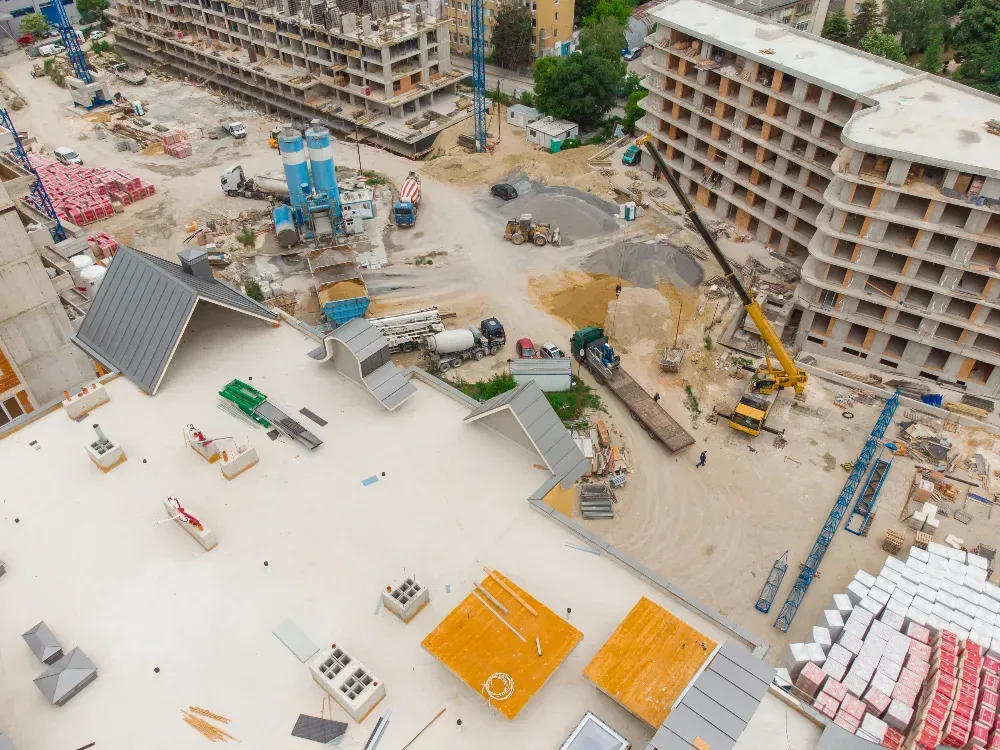
Here are some of the key trends currently shaping the civil construction industry in Kenya.
1. Emphasis on Public-Private Partnerships (PPPs)
To meet the rising demand for infrastructure, Kenya has embraced Public-Private Partnerships. These collaborations are driving major projects, including roads, bridges, and affordable housing initiatives. PPPs allow the government to leverage private sector expertise and financing, accelerating project completion while reducing public spending.
Additionally, the quality of projects under PPPs is significantly enhanced due to the rigorous supervision and accountability mechanisms that private entities bring. This ensures adherence to timelines, budgets, and international construction standards, resulting in durable and efficient infrastructure.
2. Green and Sustainable Construction
Sustainability has become a central focus in civil construction. Developers are adopting eco-friendly materials and energy-efficient designs to minimize environmental impact. From solar-powered buildings to water recycling systems, green construction is helping Kenya align with global sustainability goals while appealing to environmentally conscious investors.
In the long term, green buildings reduce operational costs through energy savings and lower water consumption. They also promote healthier living conditions, reduce carbon emissions, and contribute to the resilience of communities against climate change. As these practices become widespread, Kenya is set to reap the benefits of a more sustainable built environment.
3. Adoption of Smart Technologies
Technology is revolutionizing the construction sector in Kenya. Drones, Building Information Modeling (BIM), and artificial intelligence are enhancing precision, reducing costs, and streamlining project management. Contractors are using advanced software to monitor progress, identify potential delays, and optimize resource allocation.
Also Read: Why Quality Control Matters in Civil Engineering
BIM, for instance, provides a collaborative platform that integrates design, construction, and maintenance processes, reducing errors and ensuring efficiency. Drones are being used for site surveys, enabling faster and more accurate data collection. AI-powered tools predict construction risks and offer solutions, ensuring projects are completed on time and within budget.
4. Rapid Urbanization and Affordable Housing
Kenya’s urban population is growing rapidly, creating a need for more housing and infrastructure in cities. The government’s Affordable Housing Program under the Big Four Agenda is a notable response, aiming to provide quality housing for low- and middle-income families.
Construction firms are contributing by leveraging innovative construction methods such as prefabricated building technologies, which reduce construction time and costs. These firms also collaborate with financial institutions to offer affordable mortgage plans, enabling more Kenyans to access housing solutions.
5. Infrastructure Development in Rural Areas
Beyond cities, rural areas are receiving increased attention. Projects such as road networks, water supply systems, and electrification initiatives are bridging the development gap between urban and rural Kenya. These efforts not only improve connectivity but also unlock economic opportunities in previously underserved regions.
6. Focus on Skilled Workforce Development
As the industry expands, there is growing recognition of the need for a skilled workforce. Training programs and technical colleges are equipping young Kenyans with the expertise required for modern construction practices. This focus on capacity building ensures that local talent is driving the sector forward.
Also Read: Understanding the Importance of Safety in Civil Engineering Projects
7. Increased Foreign Investment
Kenya’s strategic location and robust growth prospects are attracting foreign investors to the construction industry. Multinational firms are partnering with local companies to undertake large-scale projects, bringing in new technologies and global best practices.
8. Regulatory Reforms and Compliance
The government is implementing stricter regulations to enhance safety, quality, and transparency in the construction industry. Compliance with these standards is boosting investor confidence and ensuring that projects are built to last.
In a nutshell, the civil construction industry in Kenya is continuing to take shape. With innovation, sustainability, and collaboration as key drivers, the sector is poised to meet the challenges of rapid urbanization and economic growth. By staying aligned with these trends, industry stakeholders can continue to transform Kenya’s infrastructure and improve the quality of life for its people.