Key Considerations for Construction Project Management in Kenya

March 17, 2026

Key Considerations for Construction Project Management in Kenya 

Construction projects play a vital role in economic growth, infrastructure development, and urban expansion in Kenya. From residential housing and commercial buildings to roads and large-scale infrastructure, effective construction project management is the foundation of successful delivery. However, managing construction projects in Kenya comes with unique opportunities and challenges, including regulatory requirements, cost fluctuations, skilled labor availability, and environmental factors. 

Whether you are a contractor, developer, engineer, or investor, understanding the key considerations for construction project management can help you complete projects on time, within budget, and to the desired quality standards. 

In this piece, we’ll walk you through important factors to consider for a successful construction project management in Kenya.


1. Proper Planning and Feasibility Studies 

Every successful construction project begins with proper planning. This stage determines whether a project is viable and how it will be executed


  • Key planning considerations include: 
  • Site analysis and soil testing 
  • Project scope definition 
  • Budget estimation 
  • Timeline development 
  • Risk assessment 
  • Environmental impact evaluation 

Feasibility studies help stakeholders understand the potential challenges before construction begins. For example, soil conditions can significantly affect foundation design, especially in areas prone to flooding or unstable ground. 

Clear planning also reduces the risk of costly changes during construction, which is a common problem in poorly managed projects. 

2. Understanding Legal and Regulatory Requirements 

Compliance with construction laws and regulations is critical in Kenya. Projects must meet government standards and obtain necessary approvals before construction begins. 

  • Important regulatory considerations include: 
  • Building permits and approvals from county governments 
  • Environmental compliance approvals 
  • Occupational health and safety standards 
  • Contractor licensing requirements 

The National Construction Authority (NCA) regulates contractors and construction standards in Kenya. Hiring NCA-registered contractors ensures professionalism and compliance with industry regulations. 


Also Read: 5 Innovative Civil Engineering Trends Transforming Construction in Kenya 

Failure to comply with legal requirements can lead to penalties, project delays, or even demolition of structures. 


3. Budget Management and Cost Control 

Cost overruns are one of the biggest challenges in construction projects. Effective financial planning and monitoring are essential for project success. 

  • Key cost considerations include: 
  • Material price fluctuations 
  • Labor costs 
  • Equipment expenses 
  • Unexpected site conditions 
  • Inflation and currency changes 

Construction material prices in Kenya can vary significantly due to market demand, import costs, and supply chain disruptions. Therefore, project managers should include contingency funds in their budgets to handle unexpected expenses. 

Regular cost tracking and financial reporting help ensure that the project remains within budget. 


4. Procurement and Supply Chain Management 

Reliable procurement processes ensure that materials and equipment are available when needed. 

Delays in material delivery can halt construction activities and increase costs. To avoid this, project managers should: 

  • Source materials from trusted suppliers 
  • Plan procurement schedules in advance 
  • Maintain inventory tracking systems 
  • Consider local sourcing where possible 

Efficient supply chain management improves productivity and reduces downtime on construction sites. 


5. Skilled Workforce and Labor Management 

The availability of skilled labor significantly impacts construction quality and timelines. 

Kenya has a growing workforce in construction, but skills gaps still exist in specialized areas such as: 

  • Structural engineering 
  • Electrical installations 
  • Plumbing systems 
  • Heavy machinery operation 

Training workers and hiring qualified professionals improves productivity and reduces errors that may require costly rework. 

Effective labor management also involves clear communication, supervision, and motivation to maintain high performance levels. 


6. Time Management and Scheduling 

Time is a critical resource in construction projects. Delays can increase costs, damage reputations, and cause contractual disputes. 

Project managers should develop realistic schedules that account for: 

  • Weather conditions 
  • Material delivery timelines 
  • Labor availability 
  • Regulatory approvals 
  • Equipment maintenance 

Using project management tools such as Gantt charts or scheduling software helps track progress and identify delays early. 

Proper coordination between contractors, suppliers, and stakeholders is essential to maintain timelines. 


Also Read: Key Trends Shaping the Construction Industry in Kenya 


7. Risk Management and Problem Solving 

Construction projects involve multiple risks that must be managed proactively. 

Common risks in Kenya include: 

  • Weather disruptions (heavy rains) 
  • Land disputes and ownership conflicts 
  • Safety incidents 
  • Financial constraints 
  • Design changes during construction 

Risk management strategies include: 

  • Insurance coverage 
  • Contingency planning 
  • Regular inspections 
  • Stakeholder communication 
  • Contract clarity 

Identifying risks early prevents costly disruptions later. 


8. Quality Control and Assurance 

Quality is a key determinant of project success and long-term sustainability. 

Poor construction quality can result in: 

  • Structural failures 
  • Safety hazards 
  • Legal liabilities 
  • Increased maintenance costs 


Quality control measures include: 

  • Using certified materials 
  • Regular inspections and testing 
  • Hiring qualified engineers 
  • Following approved designs 
  • Documenting construction processes 

Investing in quality during construction saves money over the building’s lifecycle. 


9. Health and Safety Management 

Construction sites can be dangerous if safety measures are not properly implemented. 

Key safety considerations include: 

  • Personal protective equipment (PPE) 
  • Worker training 
  • Hazard identification 
  • Emergency response plans 
  • Equipment safety checks 

A strong safety culture reduces accidents, protects workers, and improves productivity. 


10. Communication and Stakeholder Coordination 

Construction projects involve many stakeholders, including: 

  • Clients 
  • Contractors 
  • Engineers 
  • Architects 
  • Suppliers 
  • Government authorities 

Poor communication often leads to misunderstandings, delays, and conflicts. 

Effective communication strategies include: 

  • Regular progress meetings 
  • Clear reporting systems 
  • Defined roles and responsibilities 
  • Transparent decision-making processes 

Good collaboration ensures smoother project execution. 


11. Technology Adoption in Construction Management 

Technology is transforming construction project management in Kenya. 

Modern tools improving efficiency include: 

  • Project management software 
  • Building Information Modeling (BIM) 
  • Drones for site monitoring 
  • Mobile reporting tools 
  • Digital cost tracking systems 

Technology improves accuracy, reduces errors, and enhances project visibility. 


12. Environmental and Sustainability Considerations 

Sustainable construction is becoming increasingly important due to climate change and environmental concerns. 

Key sustainability practices include: 

  • Energy-efficient building designs 
  • Water conservation systems 
  • Waste management and recycling 
  • Use of eco-friendly materials 
  • Green building certifications 

Sustainable projects not only protect the environment but also reduce long-term operational costs. 


13. Post-Construction Management and Maintenance Planning 

Project management does not end when construction is completed. 

Post-construction considerations include: 

  • Final inspections and approvals 
  • Defect liability management 
  • Maintenance planning 
  • Documentation handover 
  • Client training 

Proper handover ensures that the building performs efficiently over time. 

In conclusion, construction project management in Kenya requires a combination of strategic planning, financial discipline, skilled labor coordination, regulatory compliance, and effective leadership. 

Successful projects are more than building structures – they are about delivering value, safety, and sustainability. 

By focusing on proper planning, cost control, quality assurance, risk management, and communication, construction professionals can significantly improve project outcomes. 

As Kenya continues to grow and urbanize, strong construction project management practices will remain essential for delivering infrastructure that supports economic development and improves quality of life. 
By Admin Account January 2, 2026
The Cost of Building a Home in Kenya: A Comprehensive Breakdown Building a home is one of the biggest financial decisions you’ll ever make. In Kenya, more people are choosing to build rather than buy, thanks to flexible design options and better cost control. But how much does it really cost to build a house in Kenya today? This comprehensive guide breaks it down in a clear and practical way. 1. Why Understanding Construction Costs in Kenya Matters The cost of building a home in Kenya isn’t straightforward. It varies depending on location, design, materials, labour rates, and even the type of soil on your land. With so many variables, many first-time builders often get overwhelmed or end up overspending due to poor planning. Having a clear cost breakdown helps you: Set a realistic budget Avoid hidden or unexpected expenses Understand where your money goes Make smarter decisions on materials and finishes Choose the right contractor, architect, and fundis Reduce disputes and conflicts Ensure proper project monitoring 2. Key Factors That Influence the Cost of Building a Home in Kenya Before diving into exact numbers, it’s important to understand the factors that determine how much your project will cost. a. Location Construction costs vary greatly depending on where you're building. Nairobi, Kiambu, and major cities have higher labour and material costs. Rural areas tend to be cheaper, but transport costs for materials may be higher. b. Type of House A bungalow, maisonette, and apartment have different cost structures. Bungalows require larger foundations and roofing area. Double-storey houses cost more overall but can be cheaper per square metre. Also Read: The Importance of Proper Drainage Systems in Construction c. Material Choices From stones and cement to roofing sheets, tiles, gypsum, and cabinetry – the materials you choose will directly impact the budget. Premium choices drive costs up significantly. d. Labour and Professional Fees You’ll need to budget for: Architects Engineers Quantity surveyors Fundis and contractors Cutting corners here can lead to structural problems and expensive reworks later. e. Soil and Site Conditions Black cotton soil, sloping land, rocky terrain, or swampy areas can increase foundation and site preparation costs. f. Finishes The finishing stage is where most homeowners overspend. High-end tiles, custom wardrobes, designer lighting, granite countertops, and imported doors can quickly inflate costs. g. Construction method Conventional masonry, prefabricated systems, interlocking blocks, EPS panels. Here, modern methods may reduce time but sometimes increase upfront cost. h. Security and site management Poor security increases expenses. Theft and materials loss means buying other materials to replace the lost ones 3. Average Cost of Building a House in Kenya Across Kenya, current construction rates fall within these ranges: Low-cost house Ksh 25,000 – 35,000 per sqm Standard middle-class home Ksh 35,000 – 60,000 per sqm High-end or luxury home Ksh 60,000 – 100,000+ per sqm So, for example: A 3-bedroom bungalow (100–120 sqm) → Ksh 3.5M – 7M A 4-bedroom maisonette (150–200 sqm) → Ksh 6M – 12M+ A luxury double-storey home → easily Ksh 15M – 30M+ Understanding these general cost ranges helps you estimate your starting point before diving into detailed budgeting. Best Construction Company in Kenya 4. Detailed Cost Breakdown by Construction Stage Here is where most builders get stuck – understanding which stage costs what. Below is a practical breakdown of how funds are typically allocated. A. Pre-Construction Costs These expenses come before construction begins and are crucial for proper planning. 1. Land Purchase Land prices vary dramatically: Nairobi: Ksh 5M – 100M+ Kiambu, Kajiado, Machakos: Ksh 1M – 20M Rural areas: Ksh 200K – 2M Land cost is separate from construction but is important to consider. 2. Legal and Documentation Fees Title search: Ksh 500–1,000 Transfer fees: depends on land value Stamp duty: 2–4% 3. Architectural Drawings Depending on design: Ksh 80,000 – 300,000+ 4. County Approval Fees Ksh 20,000 – 300,000+ depending on county and house size. 5. Site Preparation Clearing bushes, excavation, and levelling: Ksh 30,000 – 150,000+ 6. Temporary Works and Site setup Temporary site office/store, water connection, electricity, site toilet, security Ksh 150,000 – 500,000+ B. Foundation and Slab One of the most expensive parts of construction due to steel, cement, ballast, hardcore, and labour. Costs depend heavily on soil condition: Black cotton soil requires excavation and backfilling Rocky areas require heavy machinery Sloping sites may require retaining walls Foundation costs take 10–15% of the total construction budget. C. Walling / Superstructure This includes: Machine-cut stones Cement Steel bars Columns Beams This stage brings your house to life and usually consumes 20–25% of total costs. D. Roofing Roofing costs vary depending on material: Corrugated mabati (cheapest) Box profile Stone-coated steel tiles (mid-high end) Shingles Concrete slab roofing (most expensive) Roofing accounts for 10–15% of your total cost. E. Windows and Doors Options include: Hardwood doors (premium) Steel doors (standard) Aluminium windows (common and durable) UPVC or imported options (expensive) This stage can consume around 5–10% depending on choices. F. Finishes (The Cost-Heavy Stage) This is the stage that determines whether your home looks modest or luxurious. It includes: Floor tiles or wooden flooring Paintwork Ceilings (gypsum, PVC, boards) Kitchen cabinetry Wardrobes Bathroom tiles and fixtures Lighting Finishes often take 30–40% of the total budget and can make your budget balloon quickly if not controlled. Low-cost finishes: Ksh 500K – 1M Mid-range finishes: Ksh 1M – 3M Luxury finishes: Ksh 3M – 8M+ G. Plumbing and Electrical Works This includes: Wiring Sockets and lighting points Plumbing pipes Bathroom fixtures Kitchen sink and taps Expect Ksh 200K – 800K+ depending on house size and finish level. H. External Works Once the house is complete, these additional works are often forgotten but crucial: Perimeter wall Gate Driveway and cabro Septic tank Water tank or borehole Landscaping External works can range from Ksh 300K to 3M+ depending on scope. Also Read: Why Quality Control Matters in Civil Engineering 5. Hidden Costs Many Kenyans Forget When budgeting, many people only focus on construction materials and labour. But these hidden costs can push your budget higher: Transport for materials Security on-site Site insurance Temporary utilities (water + electricity) Cost of delays due to rain, material shortages, or labour issues Inflation and price escalation Setting aside a 10–15% contingency budget is essential. 6. How to Reduce Construction Costs Without Compromising Quality If you’re building on a tight budget, here are smart ways to save money: Choose a simple, efficient design: Straight walls and simple rooflines are cheaper. Avoid unnecessary customization: Custom windows, doors, ceilings, and unique shapes increase your costs. Use locally available materials: Transporting materials from far distances increases the budget. Work with a qualified architect: A good architect will design efficiently and help you avoid costly mistakes. Buy materials in bulk: Especially cement, steel, blocks, tiles, and roofing sheets. Supervise the project: If hiring a contractor, inspect regularly to avoid wastage and theft. Invest in proper planning: Use complete architectural, structural and services drawing, prepare a detailed BQ, freeze the design before construction starts. This avoids costly changes, rework and delays. Control finishes strategically: Start with basic finishes and deploy phased finishing, use uniform floor tiles to reduce wastage. Simple finishes can still look elegant. Hire skilled labour: Use skilled artisans, pay based on measured work not daily wages and ensure proper supervision. This avoids expensive repairs later. Reduce material wastage: Accurate material measurement, proper storage, secure the site against theft and reuse offcuts where possible. Avoid frequent design changes: Changes during construction causes demolition and rework. Always finalize decisions before building. 7. Is It Cheaper to Build or Buy a Home in Kenya? In most cases, it is cheaper to build – but only if you plan carefully. Buying ready-made homes often includes developer profits, premium finishes, and location markups. Building gives you: Control over design Freedom to choose your finishes Better long-term quality Potential savings of 20 – 40% Better cost control Reduced risk of hidden legal or structural issues If you already own land, constructing your home is almost always the more economical choice. In a nutshell, the cost of building a home in Kenya varies greatly depending on your design, location, material choices, and level of finishes. With proper planning, the right team, and a clear budget, you can manage your project efficiently and avoid costly surprises. No matter the size or style of your project, knowing the complete construction cost breakdown from the foundation to the finishing touches – helps you plan better, stay on budget, and build your dream home with confidence.
By Admin Account December 18, 2025
The body content of your post goes here. To edit this text, click on it and delete this default text and start typing your own or paste your own from a different source.
By Admin Account October 24, 2025
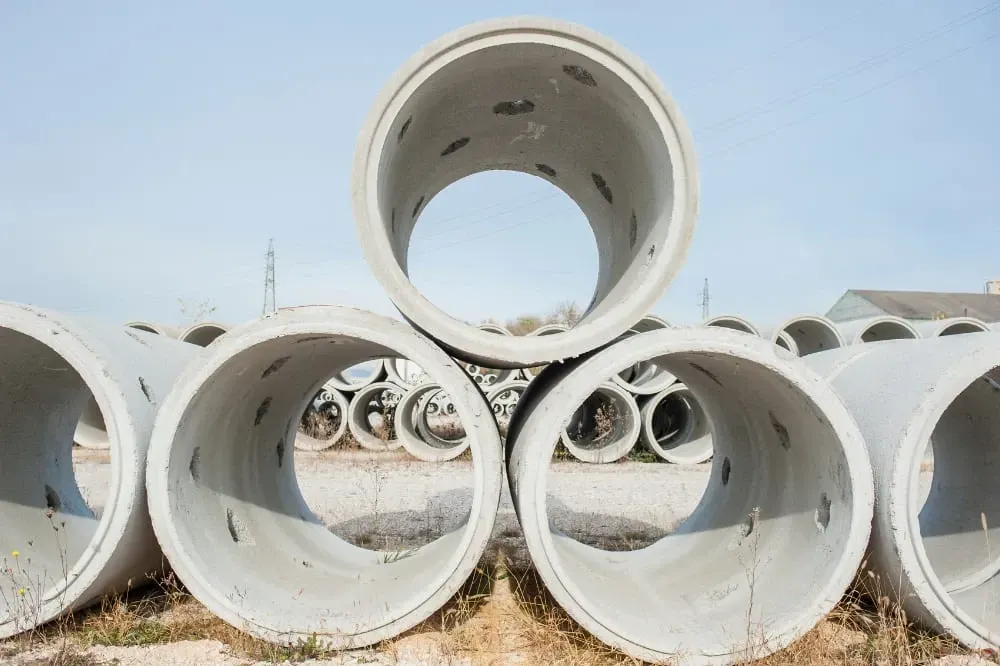
When people think about construction, most imagine strong foundations, walls, or beautiful finishes. But one critical element that often goes unnoticed is drainage. In Kenya, where heavy rains are a seasonal reality, having proper drainage systems in place can mean the difference between a long-lasting structure and one that deteriorates quickly. Why Drainage Matters A proper drainage system ensures that rainwater and wastewater are directed away from buildings, roads, and compounds. Without it, water can easily seep into foundations, weaken walls, or create stagnant pools that breed mosquitoes and other health hazards. Also Read : Preparing Your Land for Construction: Site Surveying, Grading, and Clearing Common Issues Caused by Poor Drainage Flooding: Many Kenyan estates and roads experience flash floods during rainy seasons due to blocked or poorly designed drains. Structural Damage: Waterlogging around foundations can cause cracks and, over time, lead to building collapse. Soil Erosion: Uncontrolled water flow washes away topsoil, destabilizing landscapes and structures. Health Risks: Stagnant water creates breeding grounds for malaria-carrying mosquitoes and other pests. Benefits of Proper Drainage in Construction Longevity of Buildings: Good drainage protects structures from water damage, reducing costly repairs. Safety: Roads, estates, and homes remain accessible and safe even during heavy rains. Environmental Protection: Proper water flow reduces erosion and helps preserve green spaces. Better Living Conditions: Dry, clean surroundings mean fewer health risks and improved comfort for residents. Also Read: Benefits of Hiring a Construction Consultant for Your Project in Kenya With urbanization and rapid development, the importance of drainage can no longer be overlooked. Contractors, developers, and homeowners should prioritize well-planned drainage systems alongside other construction essentials. Investing in quality drainage today is far cheaper than repairing damage tomorrow.
A large construction site with a lot of cranes and scaffolding.
By Admin Account June 24, 2025
We all know that starting a project and seeing it through to completion is not easy, especially when it comes to construction. It requires more than just architectural plans and a construction crew.
Two women are sitting at a table looking at a piece of paper.
May 23, 2025
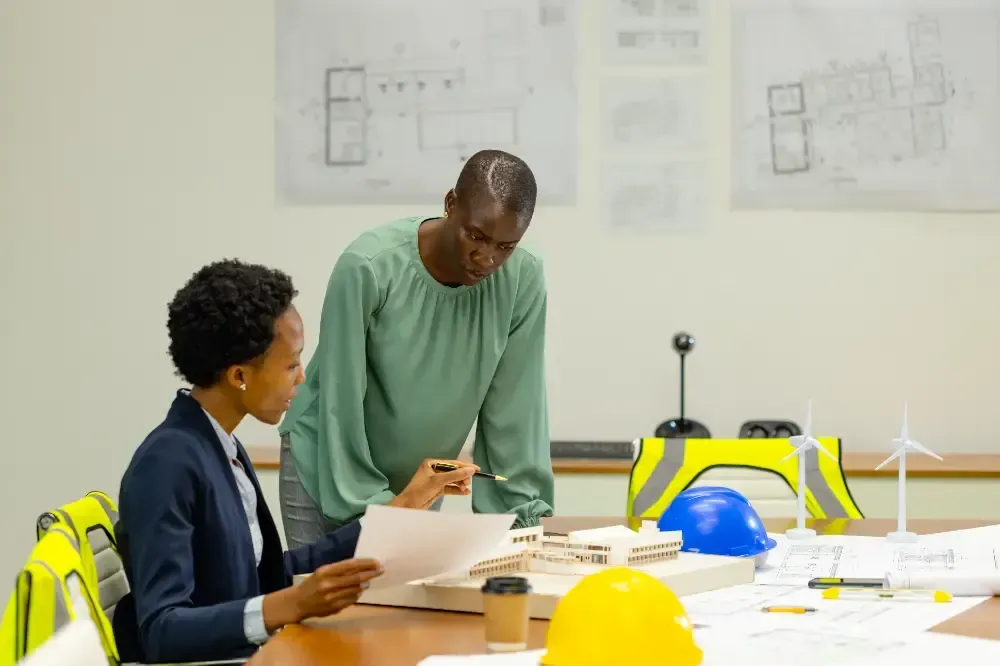
Thinking of starting a construction project in Kenya? Don’t jump in blind. Discover why hiring a construction consultant could be the smartest move you make. From budget control and risk management to quality assurance and regulatory compliance, this article breaks down the top benefits of having a pro in your corner to keep your project running smoothly, on time, and on budget.
A construction worker is using aodolite on a tripod at a construction site.
April 17, 2025
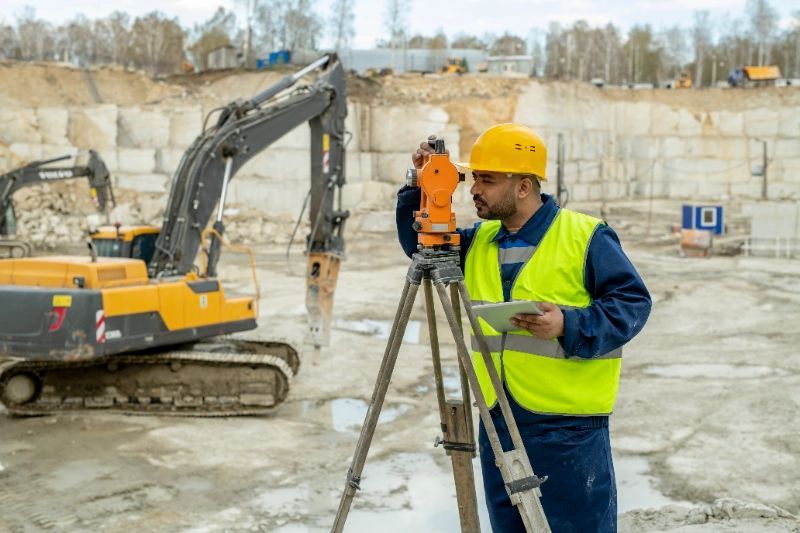
Getting ready to build on your land is an exciting step - but before any construction begins, proper land preparation is key. This stage sets the foundation for a safe, stable, and successful building project.
A computer screen with a blueprint of a building on it
February 25, 2025
The civil construction landscape is rapidly shifting by the day, thanks to the adoption of cutting-edge digital tools and technologies that keep changing daily. These advancements not only improve the efficiency and accuracy of projects but also shape the future of infrastructure developments across board.
A person in a lab coat and blue gloves is holding a sample in their hand.
January 24, 2025
When it comes to construction, building a strong and durable structure is more than just great design and quality materials. It begins with understanding the ground you’re building on.
A group of construction vehicles are working on a construction site.
December 26, 2024
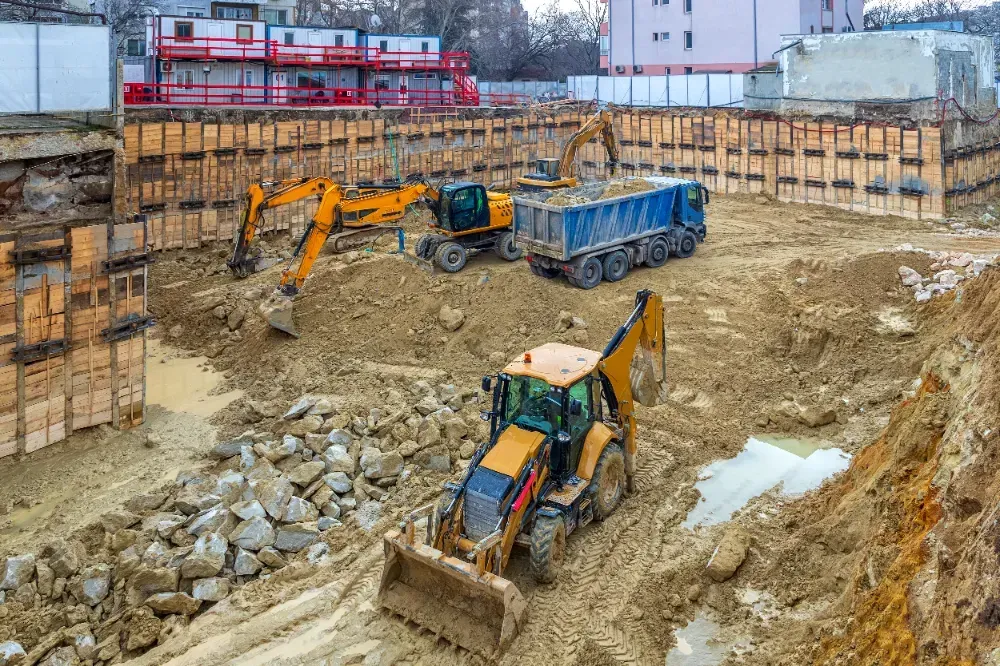
The construction industry in Kenya has undergone significant transformation in recent years, fueled by economic growth, urbanization, and technological advancements. As the country strives to achieve its Vision 2030 goals, the sector has emerged as a cornerstone for infrastructure development.
A man is kneeling down in a factory looking at a tablet.
By Admin Account December 2, 2024
Civil engineering is the backbone of modern infrastructure. From towering skyscrapers and expansive bridges to vital road networks and water systems, these projects are crucial to the functioning of any society. But behind every successful structure lies a critical factor—quality control.  Here's why it matters and how it impacts the industry.