Understanding the Importance of Safety in Civil Engineering Projects
Civil engineering safety is the cornerstone of successful construction projects worldwide. From designing skyscrapers and bridges to building roads and dams, safety in civil engineering protects lives, ensures project success, and maintains public trust. This comprehensive guide explores why safety matters and how it impacts every aspect of civil engineering projects.
The Critical Role of Safety in Civil Engineering
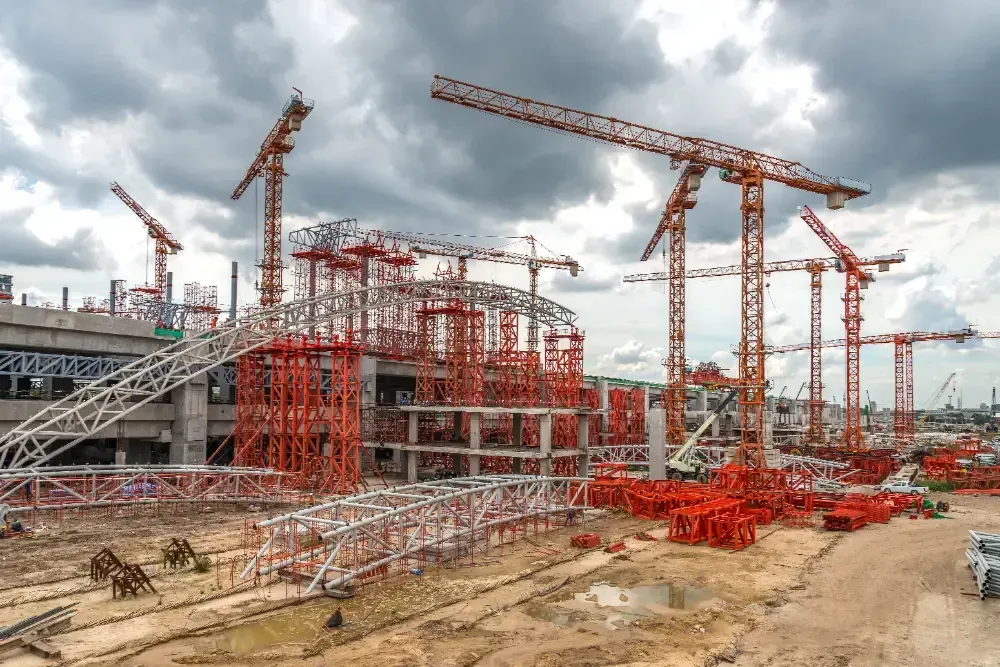
Civil engineering projects involve large-scale construction, heavy machinery, and complex processes that can pose significant risks to workers, the public, and the environment. The importance of safety in engineering cannot be overstated—it's not just a legal requirement but a fundamental responsibility that determines project success.
Key Statistics on Civil Engineering Safety:
- Construction accidents account for 20% of workplace fatalities globally
- Proper safety protocols reduce accident rates by up to 70%
- Safety violations can increase project costs by 15-25%
1. Protecting Workers: The Foundation of Construction Safety
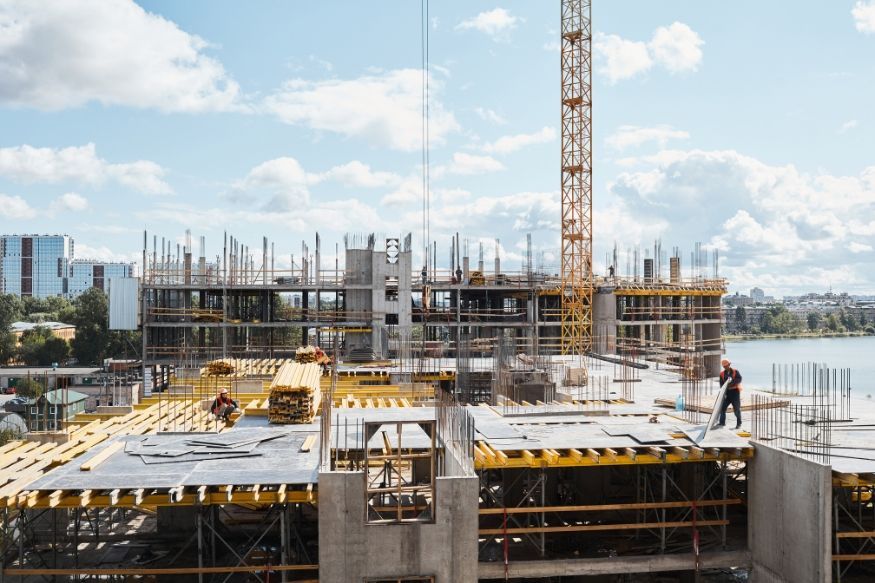
Construction sites are inherently hazardous environments where workers face multiple dangers daily:
Common Workplace Hazards:
- Falls from heights (leading cause of construction fatalities)
- Equipment malfunctions and machinery accidents
- Exposure to hazardous materials and chemicals
- Electrical hazards and structural collapses
Safety Measures That Work:
- Comprehensive safety training programs
- Proper use of personal protective equipment (PPE)
- Regular safety inspections and hazard assessments
- Implementation of safety protocols and procedures
A strong safety culture not only prevents accidents but also:
- Keeps the workforce healthy and productive
- Ensures project timelines remain on schedule
- Minimizes costly delays and work interruptions
- Improves overall project efficiency
Read More:
Navigating Construction Permits in Kenya: A Step-by-Step Guide
2. Safeguarding the Public: Community Protection in Civil Engineering
Civil engineering projects often occur in populated areas, making public safety a critical concern. Engineers must consider how construction activities affect nearby communities:
Public Safety Considerations:
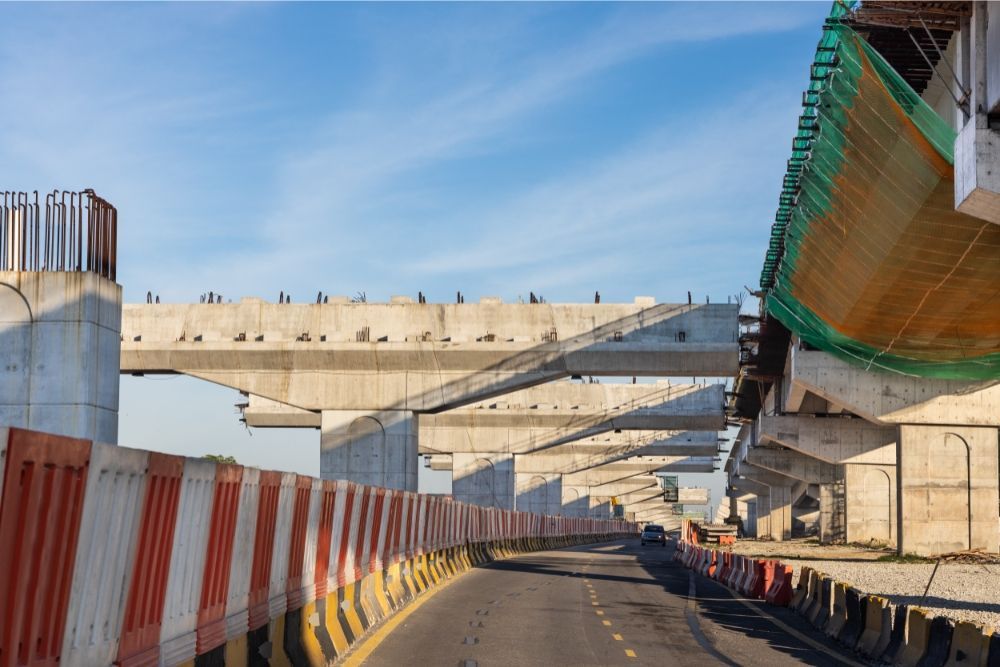
- Proper construction zone barriers and signage
- Effective traffic management around work sites
- Noise and dust control measures
- Emergency response planning
Environmental Protection:
- Preventing pollution and contamination
- Proper waste disposal and material handling
- Compliance with environmental regulations
- Sustainable construction practices
3. Ensuring Structural Integrity: Long-term Safety Planning
Safety in civil engineering extends far beyond the construction phase. The final structures must remain safe for decades:
Design Safety Factors:
- Load-bearing capacity calculations
- Natural disaster resistance (earthquakes, floods, hurricanes)
- Material durability and weather resistance
- Long-term maintenance requirements
Quality Assurance Processes:
- Thorough structural inspections
- Rigorous testing of materials and systems
- Adherence to building codes and safety standards
- Regular maintenance and monitoring protocols
4. Minimizing Legal and Financial Risks
Prioritizing safety from project inception provides significant legal and financial benefits:
Cost Benefits of Safety:
- Reduced insurance premiums and claims
- Avoided legal fees and lawsuit settlements
- Decreased project delays and budget overruns
- Enhanced company reputation and client trust
Legal Compliance:
- OSHA regulations and safety standards
- Local building codes and permits
- Environmental protection requirements
- Worker compensation and liability protection
5. Promoting Sustainability Through Safety
Modern civil engineering integrates safety with sustainable practices:
Sustainable Safety Practices:
- Eco-friendly construction materials
- Energy-efficient building systems
- Waste reduction and recycling programs
- Green building certifications (LEED, BREEAM)
Environmental Benefits:
- Reduced carbon footprint
- Lower long-term environmental impact
- Improved community health and wellbeing
- Enhanced project sustainability ratings
Best Practices for Civil Engineering Safety
Pre-Construction Phase:
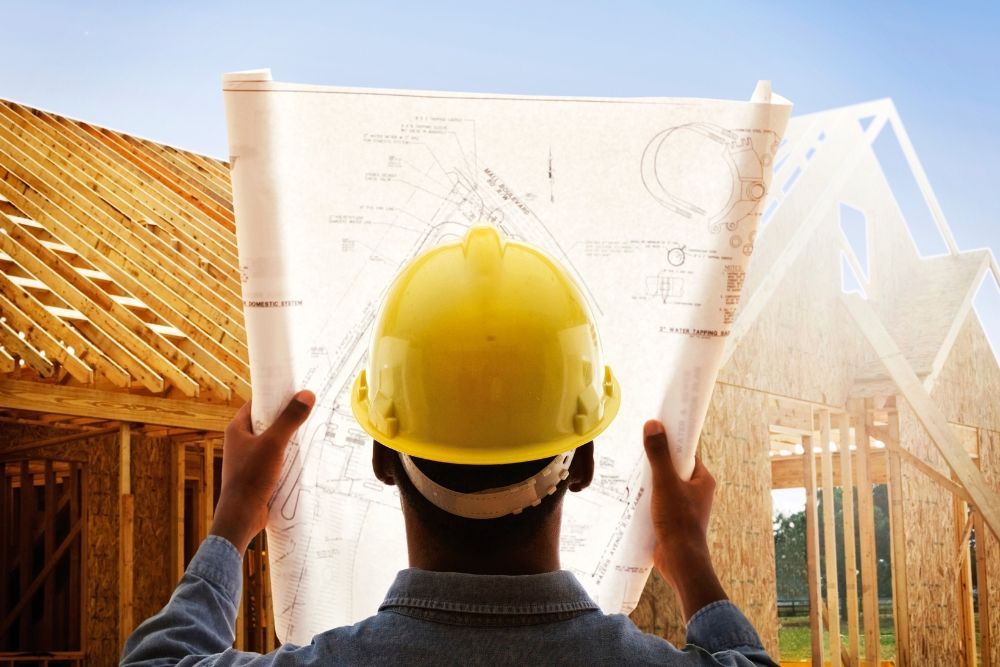
- Comprehensive risk assessment and hazard identification
- Safety planning integrated into project design
- Worker training and certification programs
- Emergency response plan development
During Construction:
- Daily safety briefings and hazard awareness
- Regular safety inspections and equipment checks
- Incident reporting and investigation procedures
- Continuous monitoring of safety performance
Post-Construction:
- Final safety inspections and compliance verification
- Maintenance protocols for ongoing safety
- User safety training and documentation
- Regular safety audits and updates
The Future of Civil Engineering Safety
Emerging technologies are revolutionizing safety in civil engineering:
Technology Innovations:
- Drone inspections for hazard identification
- IoT sensors for real-time safety monitoring
- Virtual reality training for workers
- AI-powered risk assessment tools
Industry Trends:
- Increased focus on mental health and worker wellbeing
- Integration of sustainability and safety goals
- Enhanced data analytics for safety performance
- Collaborative safety management systems
Related: Why Quality Control Matters in Civil Engineering
Conclusion: Safety as the Foundation of Excellence
Safety in civil engineering is more than compliance—it's the foundation for successful, sustainable, and responsible construction. By prioritizing safety at every project phase, civil engineers protect workers, safeguard communities, and ensure structures that stand the test of time.
The importance of safety engineering extends beyond immediate project needs to create lasting value for society. When safety becomes integral to civil engineering culture, projects achieve better outcomes, reduced costs, and enhanced reputation.
Whether you're planning a small infrastructure project or a major development, remember that safety isn't just a requirement—it's the key to engineering excellence and sustainable success in civil engineering.